How to Price Your Services Without Underselling
A practical framework freelancers and agencies use to set rates that reflect value, not anxiety.

Pricing your services can be one of the hardest parts of running a small business.
Charge too much, and you may lose potential customers. Charge too little, and you can end up working hard without making enough profit.
The goal isn't to be the cheapest provider. It's to set a service price that reflects your costs, expertise, time, and the value you provide.
Here's how to price your services confidently without underselling yourself.
1. Know Your Costs
Before choosing a price, understand what it costs to deliver your service.
Consider:
- Your time
- Software and tools
- Transportation
- Internet and communication
- Marketing
- Equipment
- Taxes
- Other business expenses
For example, if a project takes 8 hours, don't price it based only on the hours spent doing the main task. Include communication, revisions, administration, and delivery time too.
Your price needs to cover the complete cost of doing the work.
2. Set a Minimum Rate
Calculate the minimum amount you need to earn from your work.
A simple formula is:
Minimum Hourly Rate =
(Target Income + Business Expenses) ÷ Billable Hours
This gives you a pricing floor.
Your final price can be higher depending on your experience, expertise, project complexity, and the value you provide.
3. Don't Only Charge for Your Time
Your customers aren't necessarily paying for the hours you spend working. They're paying for the result.
An experienced designer might create a logo in two hours because they've spent years developing their skills.
Charging less simply because you work faster doesn't make sense.
Consider value-based pricing alongside your time and costs.
Ask:
- What problem am I solving?
- How important is the result to the customer?
- How much expertise does the project require?
- What would the customer gain from the finished work?
The more valuable the outcome, the more room you may have to charge appropriately.
4. Research Your Market
Look at what other businesses and professionals charge for similar services.
You don't need to copy their prices. Instead, use market research to understand the typical pricing range.
Compare providers based on:
- Experience
- Quality
- Specialization
- Target customers
- Service scope
- Location
If you're consistently charging far below comparable providers, it may be time to reconsider your pricing.
5. Create Service Packages
Packages can make your pricing easier for customers to understand.
For example:
Basic
Core service with standard delivery.
Professional
More features, support, or revisions.
Premium
Priority service, customization, and additional support.
Packages give customers options without forcing you to negotiate your price for every project.
6. Define Your Scope
One of the easiest ways to undersell yourself is to accept additional work without charging for it.
Before starting a project, clearly define:
- What's included
- What's not included
- Number of revisions
- Delivery timeline
- Payment terms
- Additional charges
If the customer requests work outside the original agreement, you can provide a new quote instead of doing unpaid work.
7. Don't Automatically Discount
When a customer says, "That's too expensive," don't immediately reduce your price.
Instead, adjust the scope.
For example:
"The full package is $500. If you'd like to stay around $350, I can remove the additional support and reduce the number of revisions."
This keeps your pricing consistent while giving the customer flexibility.
8. Review Your Prices Regularly
Your pricing shouldn't remain the same forever.
Consider increasing your rates when:
- Your experience grows
- Your costs increase
- Demand increases
- You're consistently fully booked
- You provide better results
- Your services become more specialized
If you're constantly busy but still struggling financially, your prices may be too low.
Being busy isn't the same as being profitable.
Make Your Pricing Look Professional
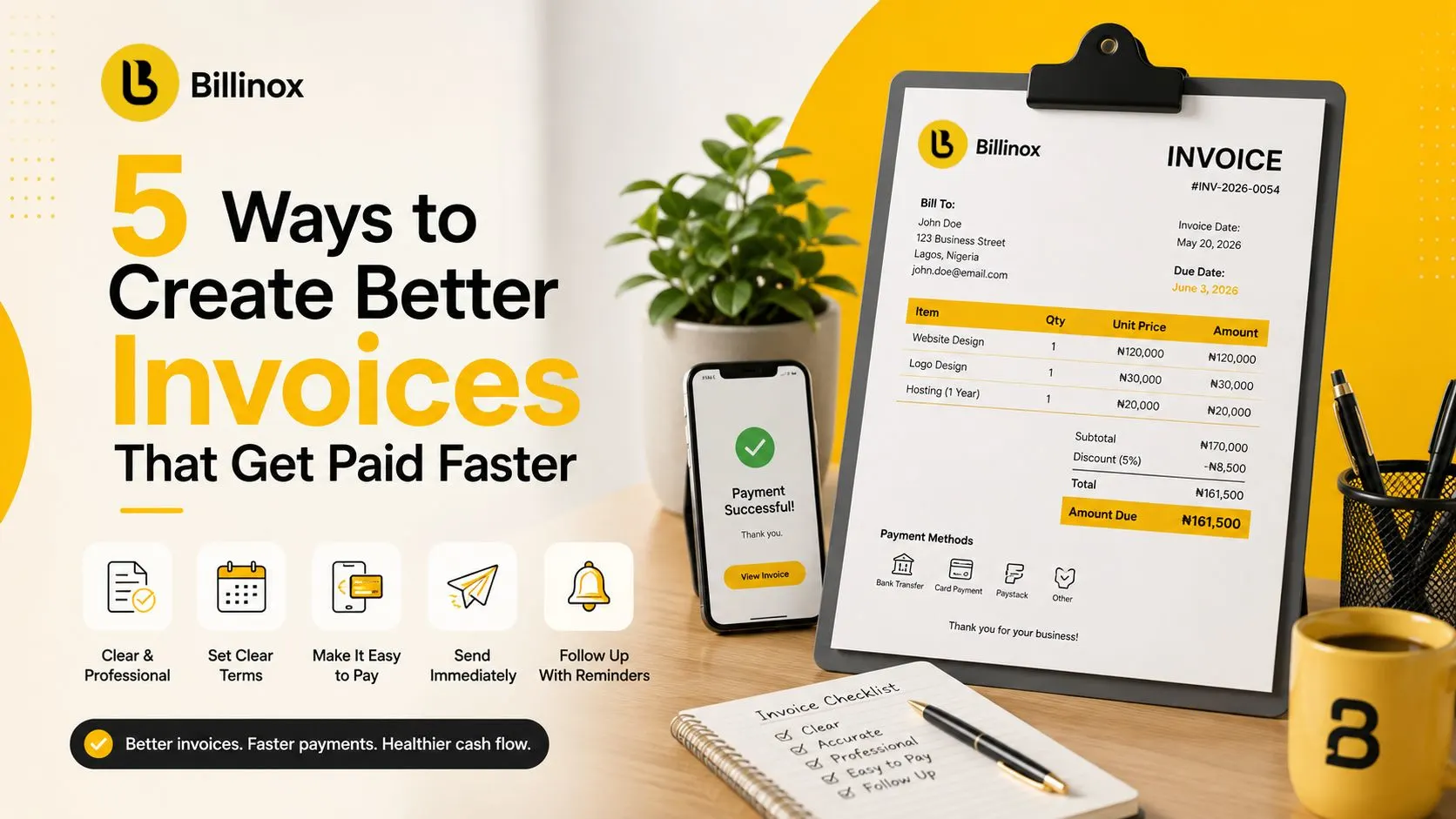
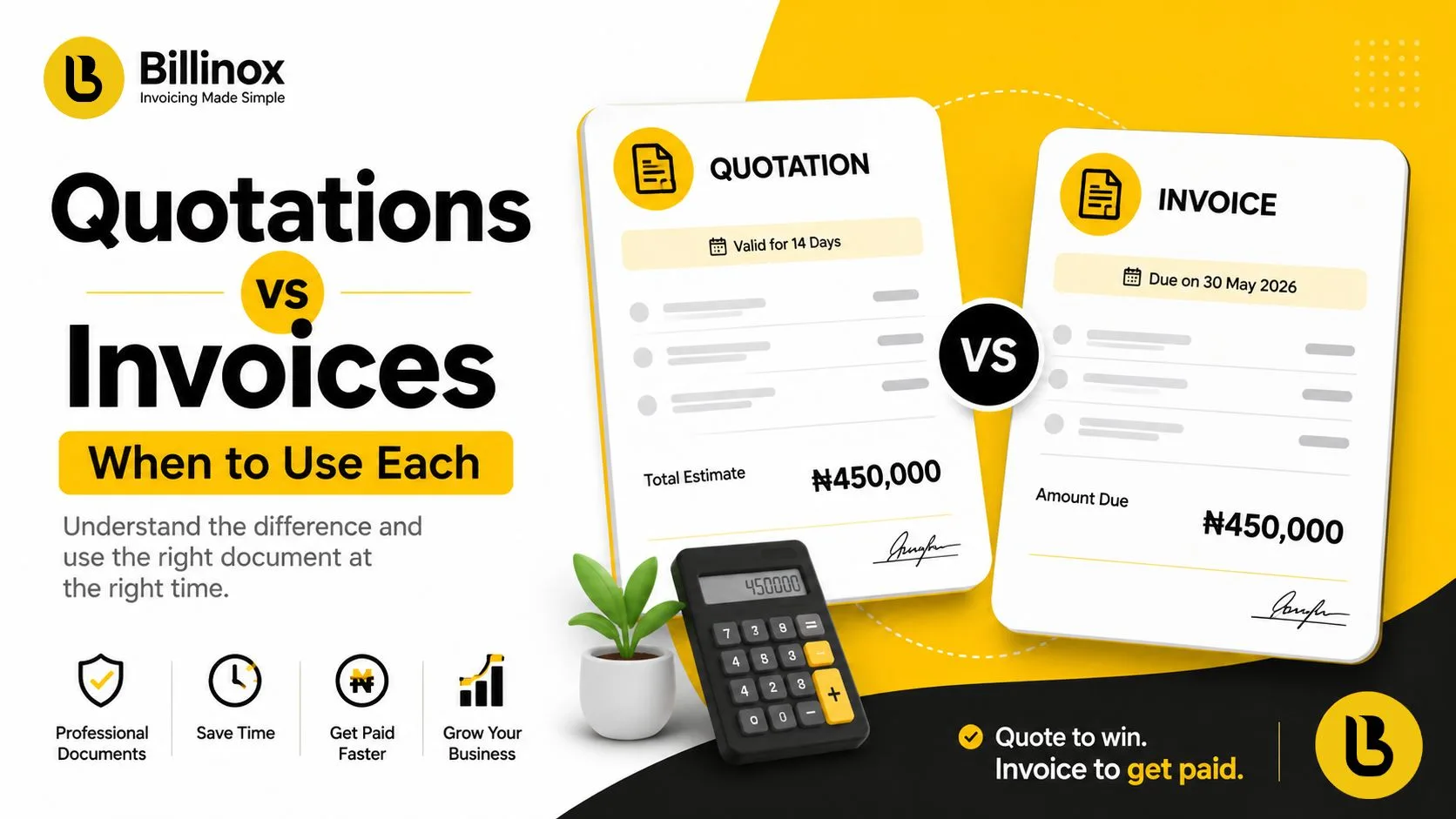
Once you've decided what to charge, present it professionally with a clear quotation or invoice.
A good invoice should clearly show:
- Services provided
- Quantity or hours
- Price
- Discounts
- Taxes
- Total amount
- Payment terms
- Due date
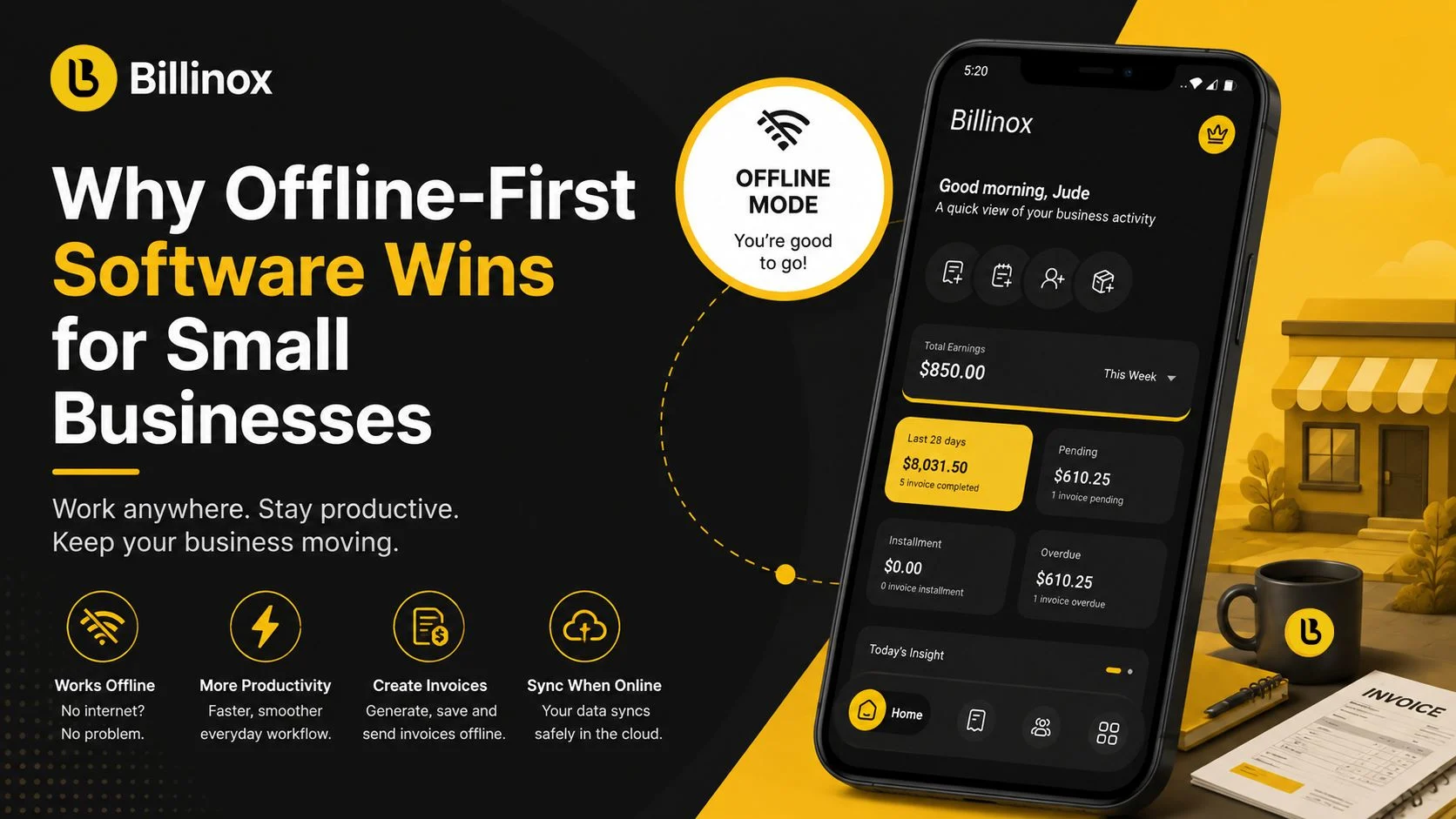
With Billinox, small businesses can create professional invoices and quotations from their mobile devices, making it easier to present pricing clearly and keep track of payments.
Final Thoughts
Pricing your services isn't about charging the highest possible amount.
It's about finding a price that works for both you and your customer.
Know your costs, understand your value, define your scope, and review your prices as your business grows.
Most importantly, don't confuse being affordable with being undervalued.
The right price should allow you to deliver great work and build a sustainable business.
Frequently Asked Questions
How do I know if I'm undercharging for my services?
If you're consistently busy but struggling to make a reasonable profit, your pricing may be too low. Compare your rates with similar providers and review your actual business costs.
Should I charge hourly or per project?
Hourly pricing works well when the scope is uncertain. Project-based pricing can be better when the deliverables are clearly defined.
How often should I increase my prices?
Review your pricing regularly, especially when your experience, demand, costs, or the value you provide increases.
How can I stop customers from negotiating my price?
Clearly communicate your value and define your scope. Instead of immediately discounting, consider offering a smaller package that fits their budget.
What should I include in a service quotation?
Include the service description, deliverables, pricing, applicable taxes or discounts, payment terms, timeline, and any important conditions.